Author: admin

  • Resume Ready: Helping Students Recognize What They Already Bring to the Table

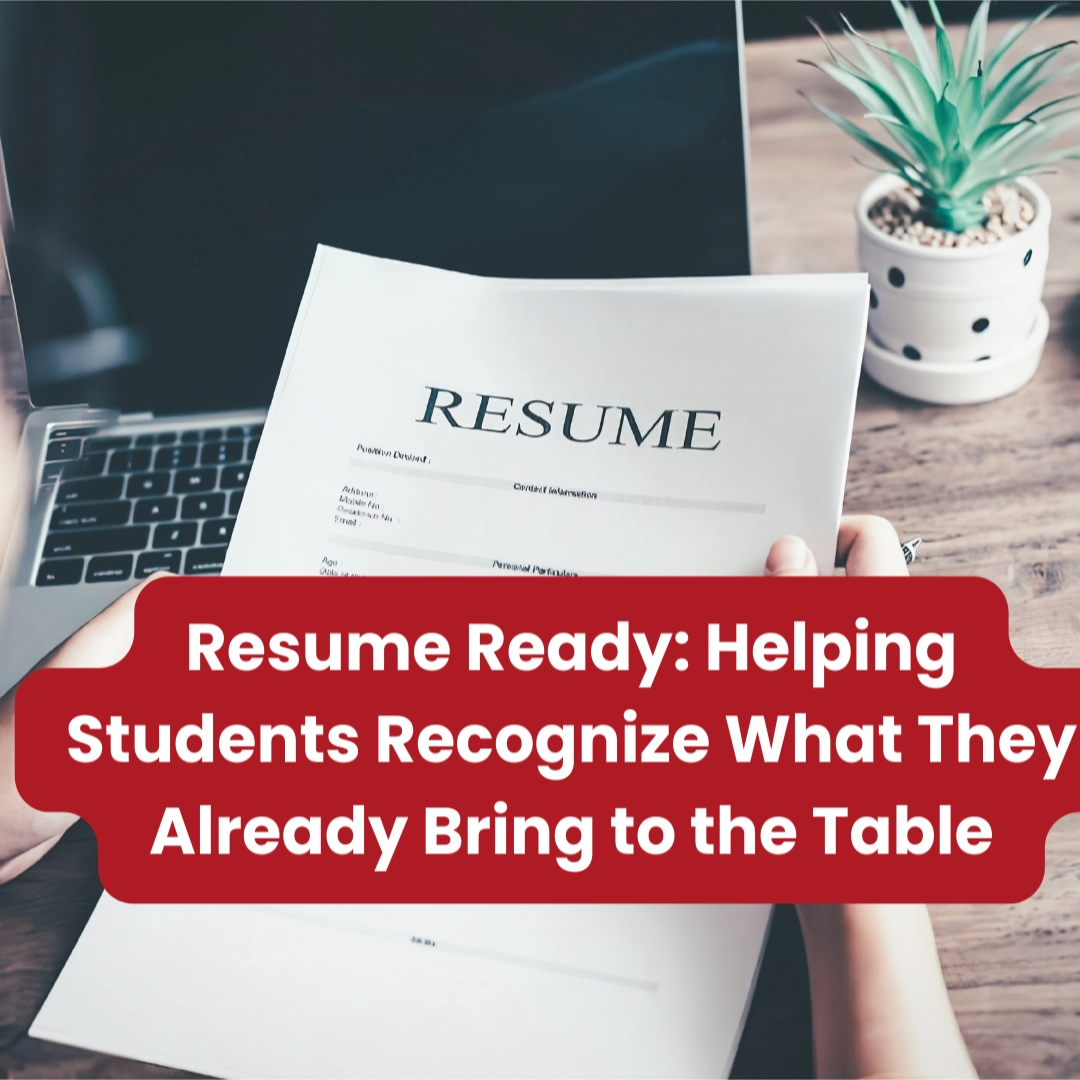
    Resume Ready: Helping Students Recognize What They Already Bring to the Table

    For many students, writing a resume feels like being asked to prove something they’re not sure they have yet.

    They sit in front of a blank page and immediately focus on what’s missing. No job experience. No long list of accomplishments. Nothing that feels “impressive enough” to include.

    It’s a familiar moment — and one that often leads to frustration or avoidance.

    But the issue is rarely that students lack experience.

    More often, it’s that they don’t yet know how to see their experience for what it is.

    Rethinking What a Resume Is For

    Students often think of a resume as a record of jobs. A place to list where they’ve worked and what they’ve done.

    In reality, a resume is something much more foundational.

    It’s a way of answering a simple question:

    What does this person bring with them?

    For students, the answer doesn’t come from years of employment. It comes from skills, effort, and growth — things they are already developing every day.

    Where Students Undervalue Themselves

    One of the most consistent challenges is that students dismiss experiences that actually matter.

    They overlook:

    • group projects
    • helping organize events
    • volunteering
    • supporting family responsibilities
    • participating in extracurriculars

    Not because these experiences lack value, but because students don’t recognize how they translate.

    When left unexamined, these experiences stay invisible. When explored and articulated, they become the foundation of a strong resume.
    Helping Students Learn to Tell the Story

    The difference between a weak resume and a strong one is rarely the experience itself — it’s how that experience is described.

    A student might say they “helped with a project,” but what that really involved could include organizing tasks, working with others, meeting deadlines, or solving problems along the way.

    When students begin to unpack their experiences, they start to see the skills within them.

    And once they see those skills, they can communicate them.

    Why Skills Matter More Than Titles at This Stage

    For students entering the workforce, employers are not looking for long job histories. They are looking for signals.

    Signals that a student:

    • takes responsibility
    • communicates clearly
    • follows through
    • is willing to learn

    A resume that reflects these qualities — even through simple experiences — is far more effective than one that tries to sound impressive without substance.

    Clarity Makes a Bigger Difference Than Complexity

    Another common instinct is to make resumes sound more “professional” by using complex language or formal phrasing.

    In practice, this often makes resumes harder to understand.

    What employers respond to is clarity. They want to quickly see what a student has done and what that says about them.

    When students learn to describe their experiences in a clear, direct way, their resumes become stronger immediately.

    Building the Habit Early

    One of the most helpful shifts students can make is to stop thinking of a resume as something they create at the last minute.

    Instead, it becomes something they build over time.

    As students:

    • gain new experiences
    • develop new skills
    • reflect on what they’ve learned

    they can begin to add to and refine their resume gradually.

    This reduces pressure and helps them develop a clearer understanding of their own growth.

    Where Programs Like Ignite Make a Difference

    Experiences like Ignite give students something many struggle to find on their own: a clear opportunity to develop and recognize their skills.

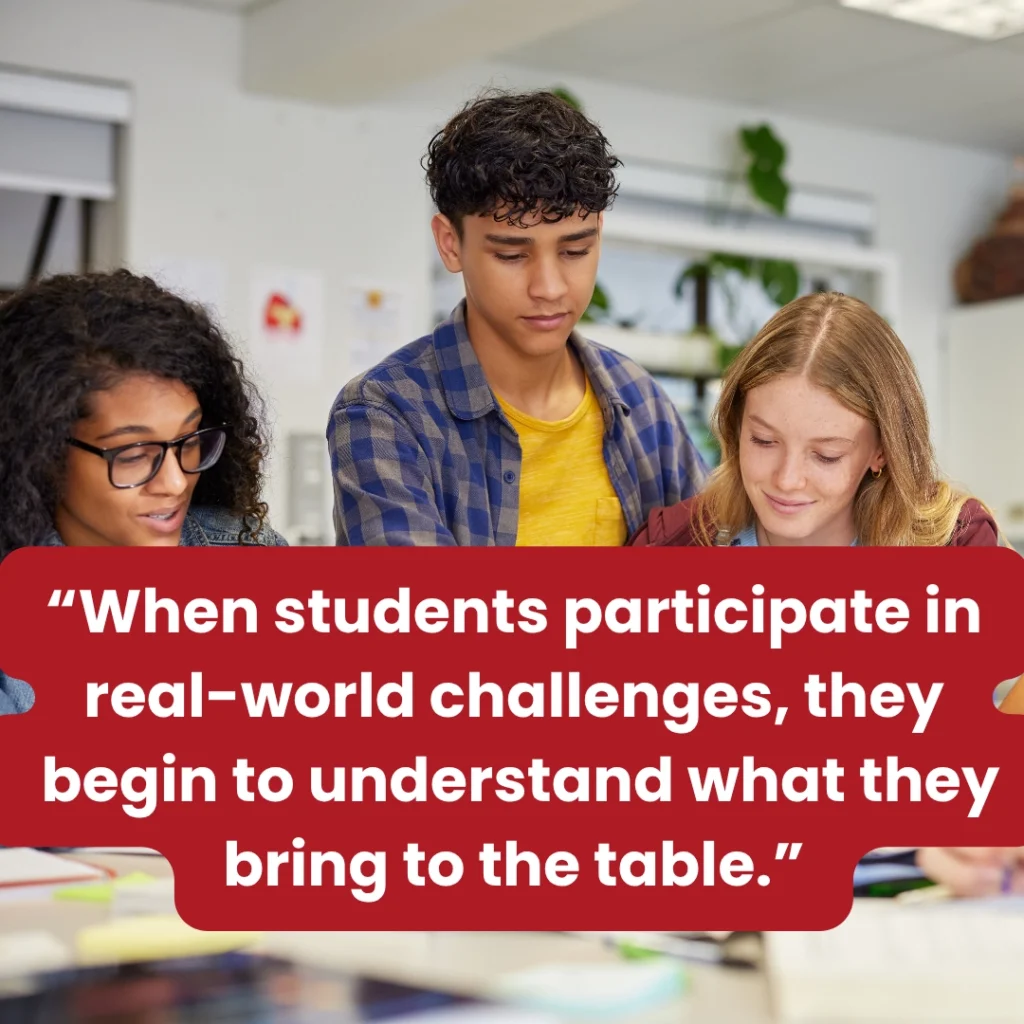
    When students participate in real-world challenges, work with others, and reflect on their contributions, they begin to understand what they bring to the table.

    By the time they sit down to write a resume, they are no longer starting from nothing. They are working from experience they can actually explain.
    Final Thought

    The biggest shift students can make is this:

    They don’t need to wait until they feel “qualified” to build a resume.

    They already have experiences. They already have skills. They are already developing.

    What they need is the ability to see it — and the confidence to say it.

    A strong resume doesn’t prove that a student is finished.

    It shows that they are ready to begin.
  • Interview Ready: Helping Students Show Up With Confidence — Before They Even Answer a Question

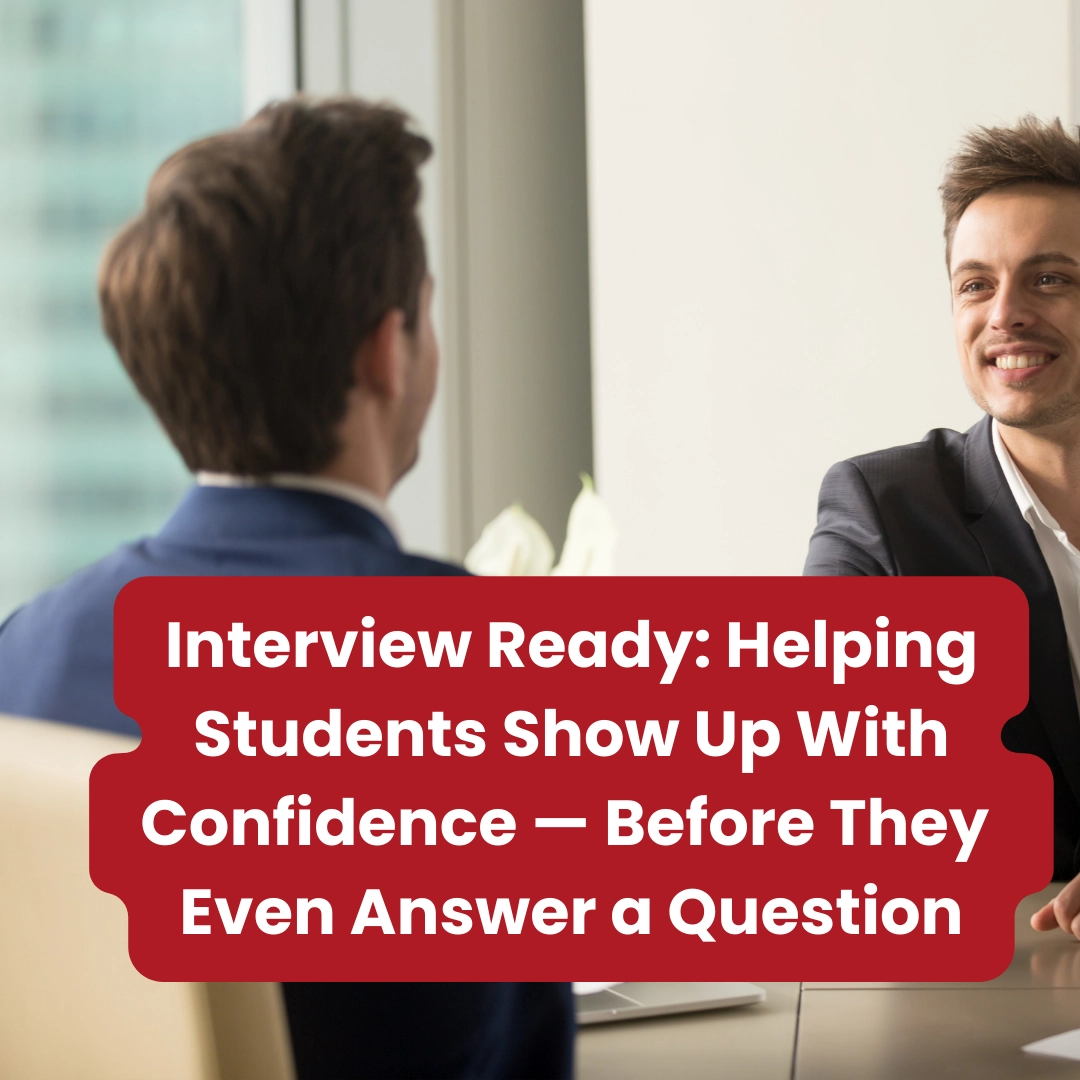
    Interview Ready: Helping Students Show Up With Confidence — Before They Even Answer a Question

    For many students, the idea of an interview feels bigger than it actually is.

    It’s not just the questions that create stress — it’s everything around them. The uncertainty. The silence before answering. The feeling that there’s a “right” response they’re supposed to give, but don’t quite know.

    As educators, we see this every year. Students who are capable, thoughtful, and engaged in class suddenly become unsure of themselves when they’re placed in an interview setting. Not because they lack ability, but because they haven’t had many opportunities to practice presenting themselves in that way.

    And that’s really what an interview is — not a test of knowledge, but a moment where students are asked to show who they are and how they think.

    Shifting How Students Think About Interviews

    One of the most helpful reframes we can give students is this:

    An interview is not about proving you already know how to do the job.

    It’s about showing that you are someone who can learn, communicate, and contribute.

    Employers interviewing students understand that they are early in their development. They are not expecting polished professionals. What they are trying to figure out is much simpler:

    Is this someone I can work with? Is this someone who will engage, ask questions, and take responsibility?

    When students understand this, the pressure shifts. They stop trying to be perfect and start focusing on being clear, honest, and engaged.

    Where Interviews Are Won (Before They Begin)

    We often focus heavily on interview questions, but the reality is that the first impression is already forming before a single question is asked.

    How a student enters the room, joins a virtual call, greets the interviewer, or even organizes their materials tells a story. It signals preparation, awareness, and effort.

    Students don’t need to be overly polished — but they do need to be intentional.

    Helping students think about this part of the process makes a noticeable difference. When they understand that the interview starts the moment they arrive, they begin to approach it with more awareness and confidence.

    Moving Away From “Right Answers”

    A common pattern we see is students trying to figure out what the interviewer wants to hear. They rehearse answers, memorize phrases, and aim for something that sounds “correct.”

    The result is often answers that feel flat or disconnected.

    What tends to stand out more is when a student speaks in a way that reflects their actual experience. Even simple examples — a group project, a part-time job, helping at home — can become strong answers when the student takes the time to explain what they did, what they learned, and how they handled challenges.

    The role of the teacher here is not to give students perfect answers, but to help them recognize that they already have something to say.

    Helping Students See Their Own Experience Differently

    One of the biggest barriers students face is the belief that they don’t have enough experience to talk about.

    But when we look more closely, that’s rarely true.

    Students are constantly developing skills through:

    • working in groups
    • meeting deadlines
    • managing responsibilities
    • navigating challenges

    The issue is not the absence of experience — it’s the ability to translate that experience into something meaningful.

    When a student can take something familiar and explain it clearly — what they did, why it mattered, what they learned — their answers become stronger, more confident, and more authentic.

    Confidence Comes From Understanding, Not Performance

    Students often associate confidence with being smooth, quick, and impressive. But in interviews, confidence tends to come from something much simpler: understanding.

    When students understand:

    • what the interviewer is looking for
    • how to talk about their own experiences
    • how to respond when they are unsure

    they begin to feel more grounded.

    They may still be nervous — and that’s okay — but they are no longer lost.

    That distinction matters.

    Preparing Students for the Moments That Don’t Go Perfectly

    One of the most valuable things we can do is prepare students for the parts of the interview that don’t go smoothly.

    They will get a question they don’t fully understand. They will have a moment where they lose their train of thought. They will wish they had answered something differently.

    What matters is not avoiding those moments, but knowing how to handle them.

    When students learn that it’s okay to pause, ask for clarification, or think out loud, they become more resilient in the conversation. And that resilience is often what leaves the strongest impression.

    Why Practice Changes Everything

    The difference between students who struggle in interviews and those who grow into them is rarely ability. It’s exposure.

    Students need opportunities to:

    • say their answers out loud
    • hear how they sound
    • adjust their thinking
    • receive feedback

    When they do this in a low-pressure environment, something shifts. The unfamiliar becomes familiar. The anxiety becomes manageable.

    By the time they reach a real interview, they’re not starting from zero.

    Final Thought

    If there’s one idea worth reinforcing, it’s this:

    An interview is not about having everything figured out.

    It’s about showing that you are ready to engage, ready to learn, and ready to take the next step.

    When students approach interviews this way — and when teachers support them in building that mindset — the experience becomes less intimidating and far more meaningful.